
Research article
Semaglutide vs Tirzepatide vs Retatrutide
Semaglutide, tirzepatide, and retatrutide are three successive therapies in the GLP-1 class used for metabolic research and clinical care. This comparison examines differences in receptor engagement, reported weight-management outcomes, and safety profiles so researchers and clinicians can see where the compounds overlap and where they diverge.
Receptor profiles and reported outcomes
| Compound | Receptor profile | Weight-management emphasis in reported data |
|---|---|---|
| Semaglutide | GLP-1 | Substantial reductions in body mass |
| Tirzepatide | GLP-1 + GIP | Greater average weight loss than semaglutide in head-to-head comparisons |
| Retatrutide | GLP-1 + GIP + glucagon | Triple agonism associated with the highest reported average weight-loss percentages |
Semaglutide
Semaglutide is a selective GLP-1 receptor agonist. It became the reference once-weekly injectable for both glycemic control in type 2 diabetes and chronic weight management. By mimicking the native incretin GLP-1, it slows gastric emptying, enhances glucose-dependent insulin secretion, and reduces appetite through central and peripheral pathways. Large outcome programs established that sustained GLP-1 agonism produces clinically meaningful reductions in body weight while also improving several cardiometabolic markers. Because it engages only one receptor, its effects are relatively focused, and the magnitude of weight loss, while substantial, sits at the lower end of the range now observed with multi-agonists.
Tirzepatide
Tirzepatide adds GIP receptor activity to GLP-1. The dual-agonist design is intended to amplify insulinotropic and anorectic signals while also influencing lipid metabolism and energy expenditure through GIP pathways. Head-to-head data against semaglutide have shown larger average weight reductions with the dual compound. The incremental benefit is attributed to the second receptor rather than simply a higher dose of GLP-1 activity. Investigators continue to examine whether the GIP component contributes to better tolerability at higher effect sizes or merely adds efficacy; current evidence points to a net gain in weight-management potency with an overall safety pattern that remains recognizably in the same class.
Retatrutide
Retatrutide extends the design further by also engaging the glucagon receptor. The resulting triple agonism (GLP-1 + GIP + glucagon) is hypothesized to combine the appetite-suppressing and insulinotropic actions of the first two receptors with the thermogenic and lipolytic effects associated with glucagon. Early and mid-stage data have reported the largest average weight-loss percentages yet seen with an incretin-based agent. Because glucagon receptor activation can also raise heart rate and affect glucose counter-regulation, the clinical development program has paid particular attention to cardiovascular and glycemic safety signals. The compound remains investigational; its ultimate place will depend on whether the additional efficacy is confirmed in larger populations and whether the safety profile remains acceptable across longer exposure.
Safety patterns
All three compounds share a dominant class-related tolerability profile centered on gastrointestinal effects. Nausea, vomiting, diarrhea, and constipation are the most frequently reported adverse events. These symptoms tend to be most pronounced during the early titration period and often diminish with continued exposure. The incidence appears broadly similar across selective, dual, and triple agonists, although some data sets show a modest increase in gastrointestinal reports with higher average efficacy. Gradual dose escalation, attention to meal size and composition, and adequate hydration remain the standard approaches used to manage these effects in both research and clinical settings.
Beyond gastrointestinal tolerability, longer-term monitoring focuses on several areas that have been examined across the GLP-1 class. Cardiovascular outcome data exist for semaglutide and are accumulating for tirzepatide; retatrutide programs include dedicated cardiovascular assessments. Thyroid C-cell findings observed in rodent studies have led to standard monitoring recommendations, although the clinical relevance in humans remains a subject of ongoing evaluation. Pancreatic safety, including the risk of pancreatitis, is tracked through adverse-event reporting and laboratory surveillance. Injection-site reactions are uncommon with the once-weekly formulations but are recorded. Overall, the safety pattern is consistent enough that differences in receptor number have not produced qualitatively different risk categories; the main distinction remains quantitative differences in gastrointestinal event rates linked to the magnitude of weight loss.
Formulations, identification, and research use
Semaglutide is available under the brand names Wegovy (chronic weight management) and Ozempic (type 2 diabetes), both delivered as once-weekly subcutaneous injections. Tirzepatide is marketed as Mounjaro and Zepbound for analogous indications. Retatrutide is not yet approved and is available only through clinical-trial or research channels. Regardless of regulatory status, each individual container, whether a commercial pen or a research vial, is identified by a unique lot number. The catalog or product code identifies the compound and strength; the lot number identifies the specific production run. A usable certificate of analysis must list the same lot number that appears on the label and must report the analytical results obtained for that batch. Without lot-level matching, claims about identity, purity, or potency cannot be verified for the material in hand. This control applies equally to approved products and to investigational compounds.
In research design, the choice among the three agents is driven by the mechanistic question rather than by a default preference. Studies focused on isolated GLP-1 effects, or those seeking a well-characterized reference standard, typically use semaglutide. Work examining the incremental contribution of GIP, or aiming for greater weight-loss magnitude with dual agonism, turns to tirzepatide. Investigations of glucagon co-agonism, energy expenditure, or the upper boundary of incretin-based weight loss use retatrutide. When compounds are compared head-to-head, protocols usually standardize titration schedules, dietary counseling, and outcome definitions so that differences can be attributed to receptor profile rather than to procedural variables. In all cases, lot-specific documentation precedes interpretation of results.
Summary
The sequence from selective GLP-1 agonism (semaglutide) to dual GLP-1/GIP agonism (tirzepatide) to triple GLP-1/GIP/glucagon agonism (retatrutide) illustrates a progressive expansion of receptor engagement and a corresponding increase in reported average weight-loss magnitude. Safety patterns remain recognizably those of the GLP-1 class, with gastrointestinal effects as the principal tolerability issue and longer-term monitoring focused on cardiovascular, thyroid, and pancreatic parameters. Selection among the three depends on matching the receptor profile to the research or clinical objective, supported by lot-level certificates of analysis that confirm the identity and quality of the specific material being used.
Related products
 View details
Related product
GLP-1 Semaglutide
Research-grade Semaglutide (GLP-1 analogue) for laboratory and analytical research.
View product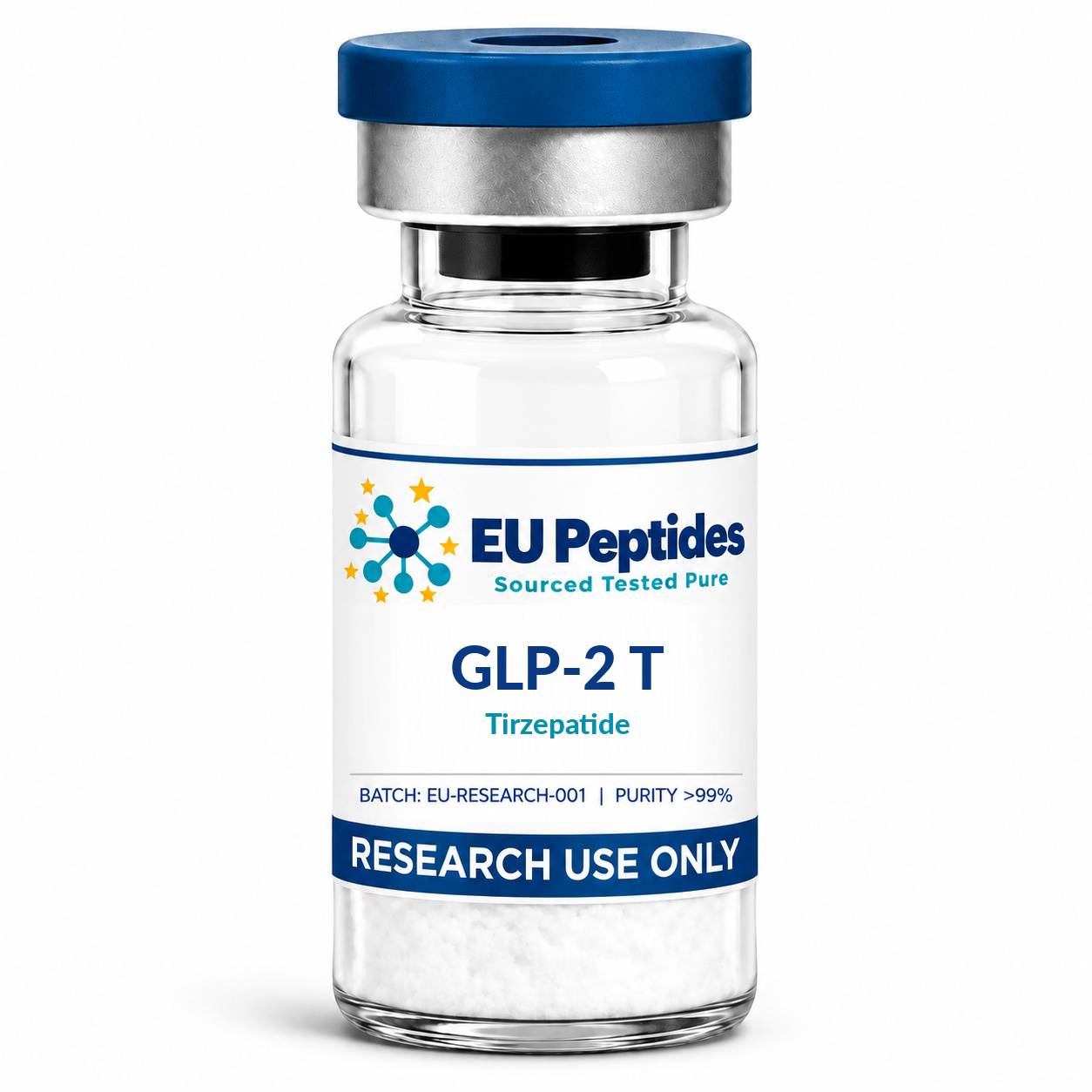 View details
Related product
GLP-2 T Tirzepatide
Research-grade Tirzepatide (dual GIP/GLP-1) for in-vitro laboratory studies.
View product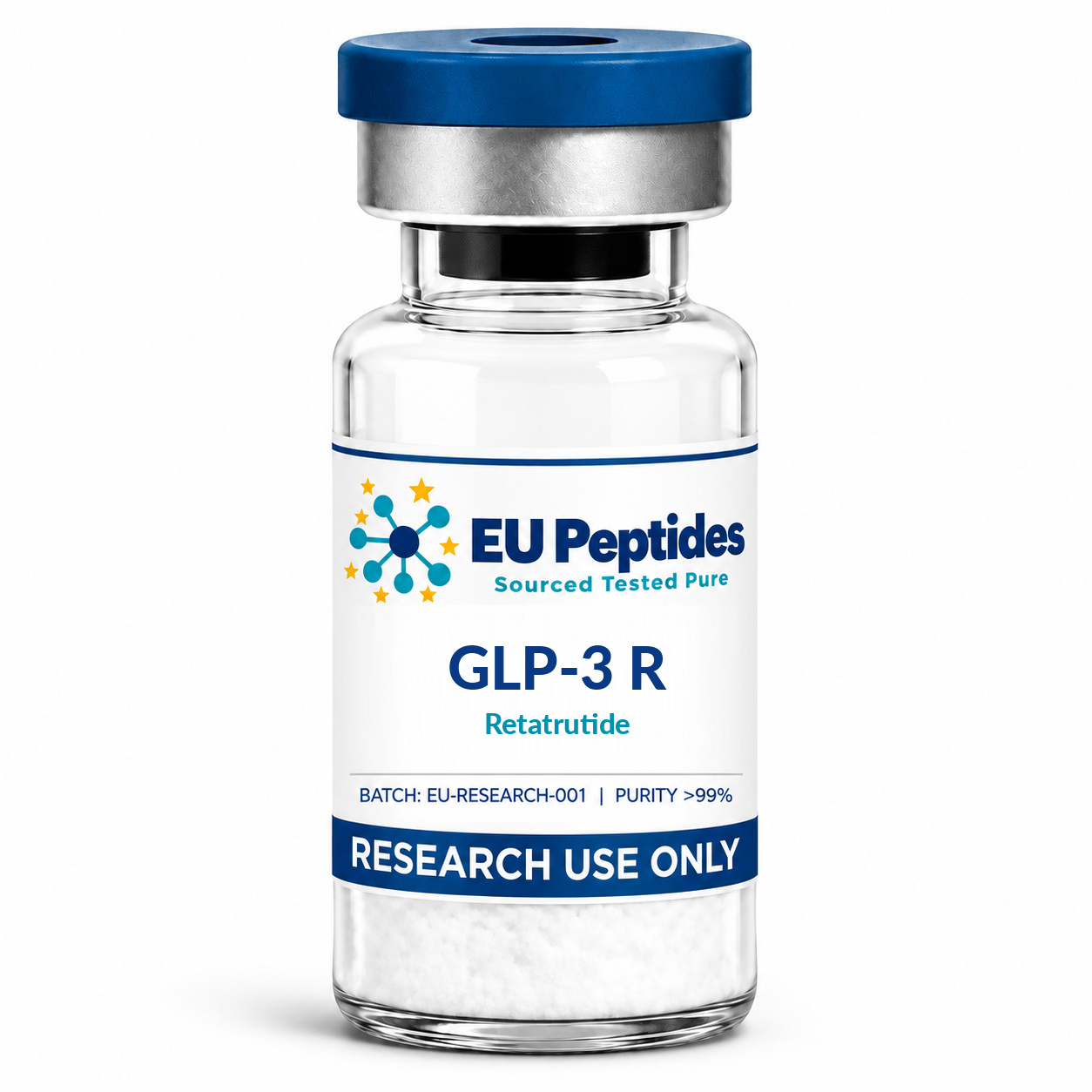 View details
Related product
GLP-3 R Retatrutide
Research-grade Retatrutide (triple agonist) for laboratory research applications.
View productAll products are supplied strictly for laboratory and analytical research. They are not for human consumption, medical use, or veterinary use.